
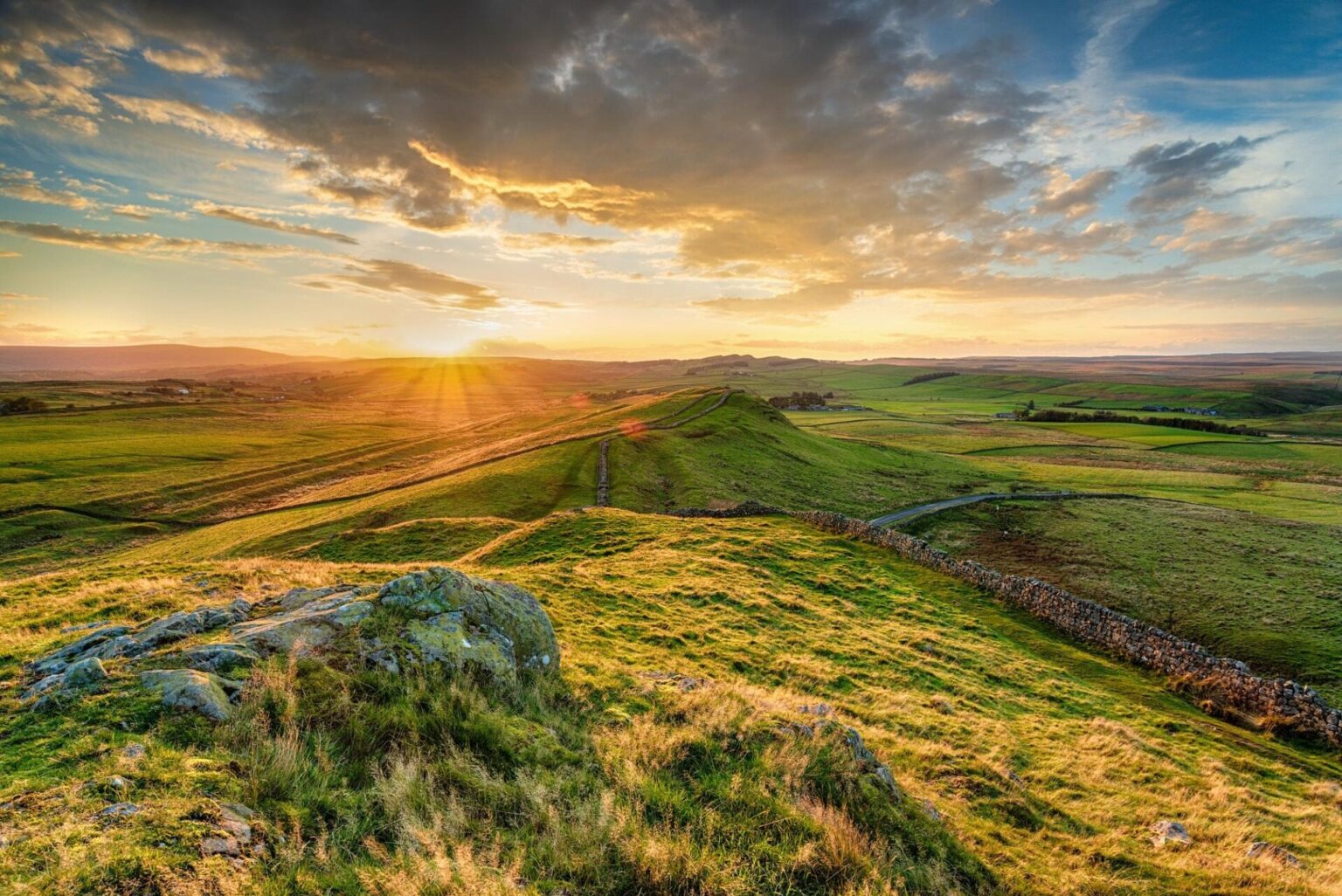
Celebrating 70 Years of Northumberland National Park
During 2026, Northumberland National Park celebrates its 70th anniversary year as a protected landscape. Designated in 1956, it was created to conserve and protect one of England’s most beautiful and unspoilt areas while providing opportunities for people to enjoy the countryside.
Seventy years later, those qualities remain at the heart of Northumberland National Park. Covering more than 400 square miles of protected landscape, it is the most northerly National Park in England and one of the least populated protected landscapes in the country. With roughly 1,200km of public rights of way and Europe’s largest Dark Sky Park, visitors are rightly struck by the sense of space and the feeling of escaping the crowds.
Many people first discover Northumberland National Park through Hadrian’s Wall, but the landscape extends far beyond it. From Roman history and rolling hills to remote valleys, forests and wildlife-rich landscapes, different parts of the park offer very different experiences.
If you’re planning a visit during this anniversary year, here are some of the landscapes that make Northumberland National Park so special.
Hadrian's Wall Country
Perhaps the most well known part of the National Park is Hadrian’s Wall, which gained UNESCO World Heritage Site status in 1987. Stretching across northern England, the Roman frontier remains one of Britain’s most significant historic landmarks. The central section through Northumberland offers some of the most dramatic scenery, where ancient stone walls follow ridgelines and provide stunning views across the surrounding countryside.
Popular sites such as Housesteads Roman Fort and Vindolanda are excellent places to visit to bring the Roman story to life. The Sill National Landscape Discovery Centre is often referred to as the gateway to the National Park and is a great place to help plan your visit. The Sill is an eco-friendly visitor centre, free to enter, with exhibitions, a shop, café and a wealth of information about the local area, to help visitors connect with the outdoors. Many organised local walking tours set off from here and it is also well served by a local bus service – the AD122.
For first-time visitors, this area offers an ideal combination of history, scenery and accessible walking routes.
The Cheviot Hills
Whilst Hadrian’s Wall is located primarily at the Southern end of the National Park, The Cheviot Hills occupy the northern area on the border with Scotland. For those seeking a more rugged landscape, the Cheviot Hills offer a completely different side of the National Park.
Forming part of the border between England and Scotland, these hills provide some of the most remote and expansive walking country in northern England. The highest point, The Cheviot itself, stands at 815 metres and offers spectacular views across both countries on a clear day.
Compared with more famous walking destinations elsewhere in the UK, the Cheviots often feel remarkably quiet. Walkers can spend hours exploring ridges, valleys and open moorland without encountering large numbers of people.
The sense of remoteness is part of the appeal. This is a landscape shaped by nature, weather and centuries of farming, where the scale of the surroundings encourages visitors to slow down and appreciate the views.
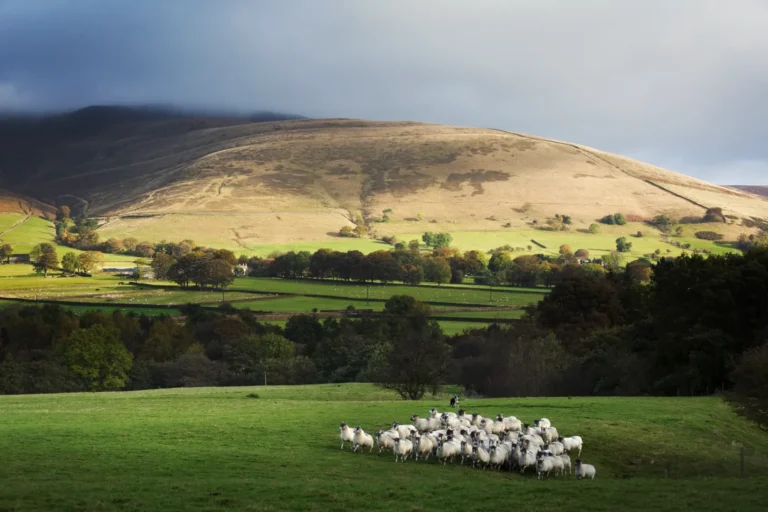
Redesdale & Coquetdale
Redesdale follows the River Rede through a broad valley landscape shaped by farming, history and border heritage. It is known for its connections to the Border Reivers and for its wide, open scenery that feels particularly peaceful compared to more visited parts of the county.
Coquetdale follows the River Coquet through a series of small villages and wooded valleys, gradually rising towards the Simonside Hills. This is an area well suited to slower exploration, with walking routes, quiet roads and access to some of the National Park’s less-visited viewpoints. For an example of the types of walking routes, the link below details a circular walk of the Simonside Hills.
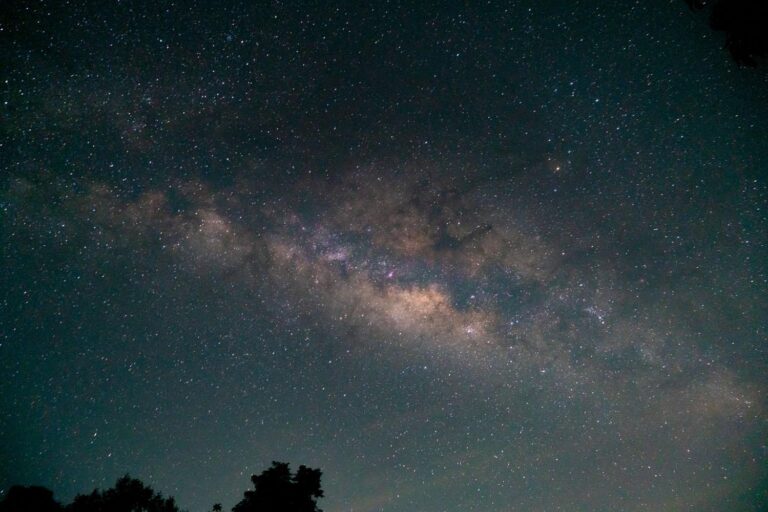
International Dark Skies Park + Kielder
Although Kielder Water and Forest Park sits adjacent to the National Park rather than entirely within it, the two areas are closely connected and often explored together. Kielder, together with Northumberland National Park, forms the largest protected Dark Sky Park in Europe.
Visitors can enjoy the landscape during the day, but there’s plenty of incredible experiences to witness after sunset. On clear nights, thousands of stars become visible, while the Milky Way can often be seen with the naked eye.
Even for those who have never considered themselves interested in astronomy, standing beneath a truly dark sky is a memorable experience and one of the reasons many people return to this part of Northumberland.
Wildlife and Open Space
One of the National Park’s greatest strengths is that it remains a living landscape.
Red squirrels can still be found in parts of the park, while birds of prey soar above the hills and valleys. During spring and summer, curlews, lapwings and other upland birds bring the landscape to life with their distinctive calls.
The changing seasons each offer something different. Spring brings fresh green landscapes and lambing season, summer offers long days for walking and exploring, autumn fills the valleys with colour, and winter can transform the higher ground into dramatic and often beautiful scenery.
Even visitors who arrive without a specific itinerary often find that the simple experience of being outdoors becomes one of the highlights of their stay.

Why the National Park Still Matters 70 Years On
Seventy years after its designation, Northumberland National Park continues to offer something increasingly rare: space.
Space to walk, to explore, to spend time with family and friends, and simply to enjoy being outdoors. While many destinations have become busier and more developed, much of Northumberland retains the qualities that led to its protection in the first place.
Whether you’re drawn by Roman history, dark skies, wildlife, walking routes or simply the chance to escape everyday routines for a few days, the National Park offers countless ways to experience the county.
Its landscapes may vary dramatically from one area to another, but together they create one of England’s most distinctive and rewarding places to visit — and a fitting landscape to celebrate as it reaches its 70th anniversary.
Many of our cottages are located within easy reach of the National Park, making it easy to explore different areas during your stay.
That variety is part of what makes Northumberland such a memorable place to return to — no two visits ever feel quite the same.

Wooden Star Cottages offers the perfect base to experience the beautiful county of Northumberland. Book your stay at Wooden Star Cottages today and prepare for an unforgettable escape into the heart of one of England’s most beautiful regions.