

A Few Favourite Autumn Walks in Northumberland
We’ve pulled together a few of our favourite local autumn walks in Northumberland, all within easy reach of our cottages and ideal when you fancy getting outside for a couple of hours. Several take you through woodland (ideal for those autumnal colours), while others follow rivers and streams through some lovely parts of the local countryside.
You can walk through the ancient woodland at Allen Banks, follow Hareshaw Burn to its waterfall, explore the Wallington estate or take an easy-going walk beside the River Tyne from Hexham.
They’re all walks that can comfortably fit into a few hours, leaving time to explore somewhere nearby, stop for lunch or simply head back to your cottage afterwards.
Allen Banks & Staward Gorge– woodland at its best in autumn
Allen Banks and Staward Gorge is somewhere we recommend throughout the year, but autumn is probably one of the best times to see it. The site is under the care of The National Trust but there’s no charge to explore Allen Banks, although non-National Trust members will need to pay for parking (via the Just Park app).
The River Allen runs through a steep-sided gorge surrounded by ancient woodland, with miles of paths through the trees. As the leaves begin to change, there are some lovely stretches to walk without needing to spend the whole day here.
There are several routes to choose from, but a good shorter option is the Morralee Tarn walk. At around 2.5 miles, it takes roughly 60–90 minutes and starts from the Allen Banks car park.
The walk takes you through Morralee Woods and up to the tarn, originally created as a Victorian boating lake. It’s worth knowing that although the distance is fairly short, this isn’t a completely gentle stroll. There are some steep woodland paths, steps, exposed roots and sections that can become muddy – particularly at this time of year.
If you have more time, there are plenty of other paths through Allen Banks and Staward Gorge to explore, so it’s an easy walk to extend if the weather is good and you feel like carrying on.
If you’d like more information on walking routes are Allen Banks, the link below takes you directly to the website.
Hareshaw Linn – woodland and a waterfall from Bellingham
Hareshaw Linn is another walk that works particularly well in autumn and is especially convenient if you’re staying in one of our cottages around Bellingham.
The walk begins close to the centre of the village and follows a well-signposted path through the wooded valley to Hareshaw Linn waterfall. The return route is around three miles and usually takes between an hour and a half and two hours.
There’s plenty to see along the way. The route crosses six wooden bridges and follows Hareshaw Burn through ancient woodland before eventually reaching the waterfall, which drops around nine metres into the gorge.
The path is generally good but there are inclines and it can become muddy, so decent footwear is useful, particularly after autumn rain.
Another reason we like this one is its starting point. Once you’ve finished your walk, you’re already in Bellingham, so it’s easy to combine it with a look around the village or stop somewhere for coffee or lunch.
The Northumberland National Park website has more details about the actual walk including this short video giving a snapshot of the route.
Wallington – when you want more than just a walk
Wallington is a particularly good option if you’re staying at West Grange Hall or West Grange Cottage, as the National Trust estate is within easy reach of the house. It’s also a good choice for those autumn days when you fancy a walk but would quite like something else to do as well. Wallington is cared for by the National Trust and normal admission charges apply.
The National Trust estate has several walking routes, but its River Walk is a good length for a shorter outing. The 2.6-mile circular route takes around one to two hours and follows paths through woodland and alongside the River Wansbeck.
It’s classed as an easy walk and is relatively flat, although there are a couple of inclines as well as stepping stones across the river. If water levels are high, there is an alternative route across Paine’s Bridge.
Of course, the advantage of choosing Wallington is that the walk doesn’t have to be the whole day. You can also visit the house, explore the Walled Garden or simply have a wander around more of the estate before stopping for coffee or lunch.
The gardens and woodland are particularly attractive as the seasons change, so this is one we’d consider if you want to make a little more of an autumn day out without spending hours walking.
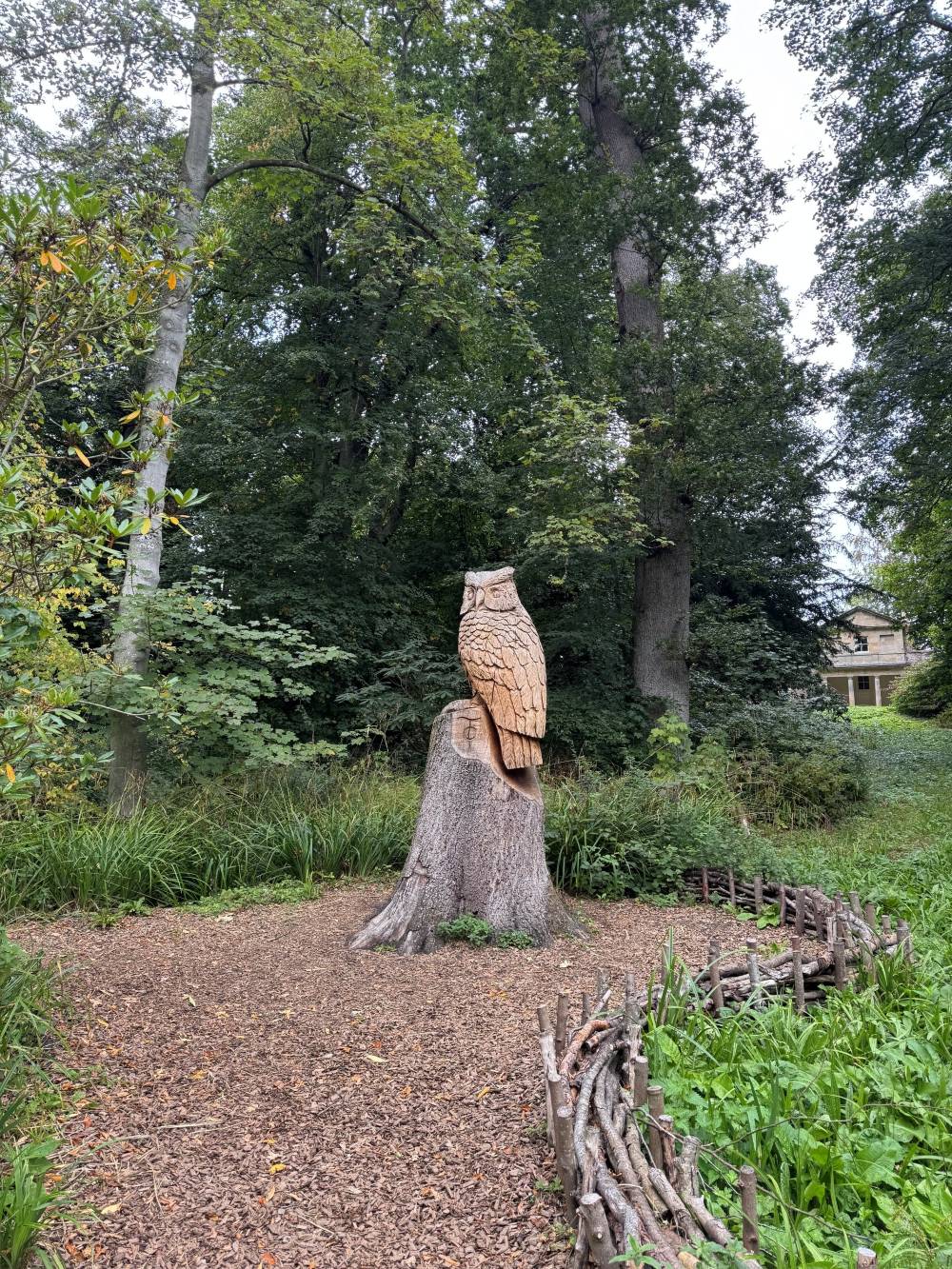
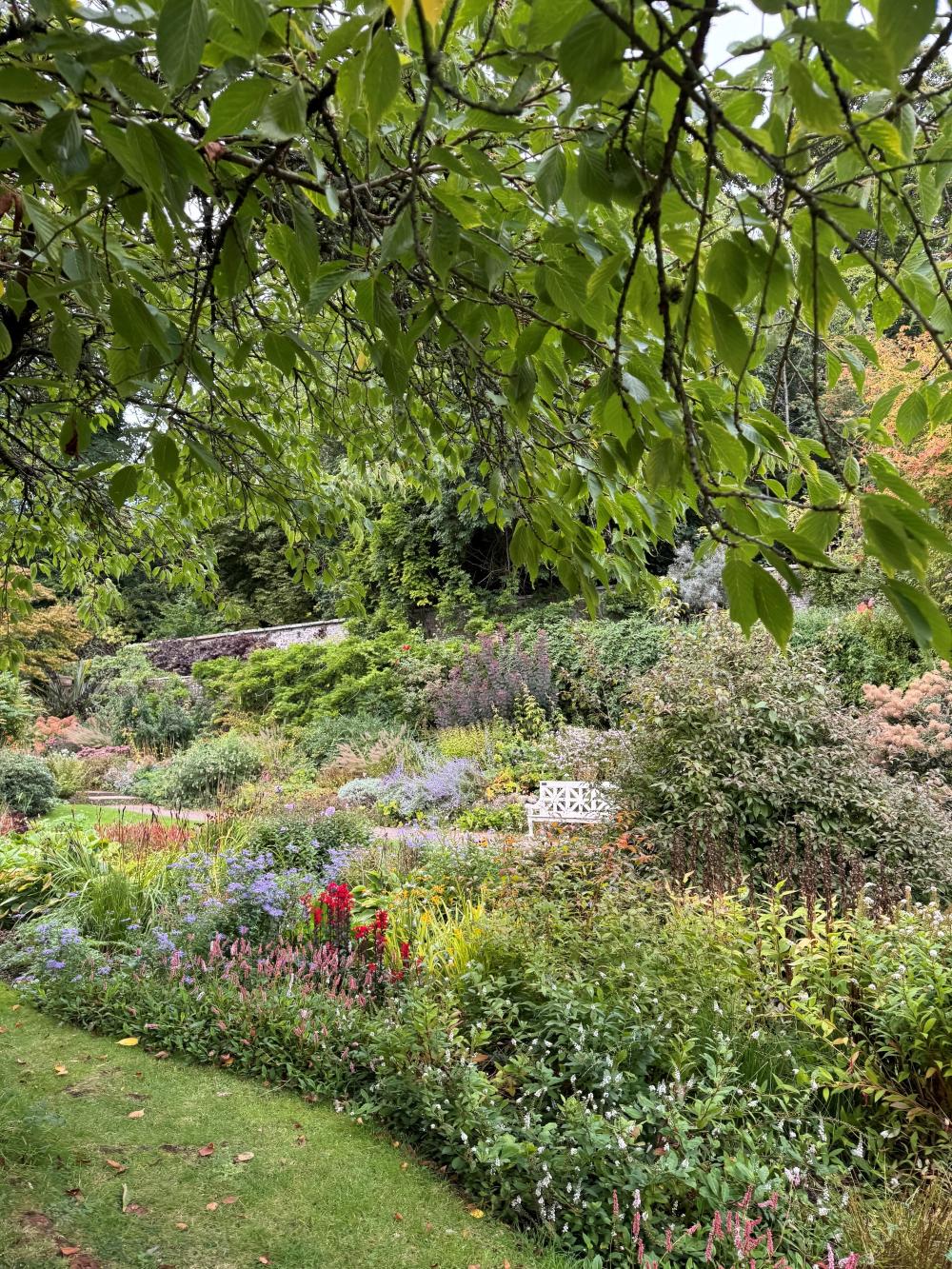
Gardens at Wallington Hall
Tyne Green to Warden – an easy-going riverside option
This one is quite different from the others and starts at Tyne Green in Hexham. You follow the path west alongside the River Tyne towards Warden. For a good part of the way you’ve got the river beside you, and the route is largely flat and easy-going, and also follows part of the railway line towards Warden.
It isn’t a circular walk, which may be a disadvantage if you particularly like routes that bring you back a different way. On the other hand, a there-and-back walk makes it very easy to decide how far you want to go. If you continue as far as Warden, The Boatside Inn sits near the river and gives you the option of stopping for refreshments before heading back.
Alternatively, turn around whenever you’ve walked far enough and head back towards Tyne Green. You’re then only a short distance from the centre of Hexham if you fancy combining your walk with some time in town.
We’ve done this route with our own children on bikes in the past, and the relatively flat terrain makes it a good option if you want something less strenuous than some of Northumberland’s hillier walks.
Devil’s Water – woodland, riverside and a little local history
Devil’s Water is perhaps less familiar to visitors than Allen Banks or Wallington, which is one of the reasons we’ve included it.
One option is the circular walk from Dukesfield Arches, south of Hexham. At around 4 miles and roughly two to two and a half hours, it’s the longest of our five suggestions but still very manageable if you only want to spend part of the day walking (there i s also a 6+ mile route if you wanted a longer walk!)
The route combines woodland and field paths with stretches beside Devil’s Water, but there’s some local history along the way too.
Dukesfield Arches are the remains of a former lead-smelting mill, and traces of the area’s mining past can still be seen along the route. That makes this one feel quite different from a straightforward woodland walk.
It’s also a nice choice if you’ve already visited some of Northumberland’s better-known walking spots and fancy somewhere a little quieter.
We’ve included a link below to the pdf leaflet which describes both the 4 mile route and the longer 6+ mile walking route.
A few hours out in the Northumberland countryside
There are so many great places to walk in Northumberland and while Hadrian’s Wall may be one of the best known, there are plenty of other routes worth exploring too. We’ve chosen just a few of our favourite shorter autumn walks in the Northumberland countryside, all within easy reach of our cottages, that you can enjoy in a couple of hours during your stay.
Allen Banks is hard to beat when the woodland starts changing colour, while Hareshaw Linn gives you a waterfall to aim for. Wallington combines a walk with somewhere else to visit, Tyne Green offers an easier riverside option and Devil’s Water mixes walking with a little of the area’s industrial history.
As they only take a couple of hours, they’re easy to fit around other plans during your stay – perhaps before lunch, as part of a day exploring the area or simply when the weather looks too good to stay indoors.

Wooden Star Cottages offers the perfect base to experience the beautiful county of Northumberland. Book your stay at Wooden Star Cottages today and prepare for an unforgettable escape into the heart of one of England’s most beautiful regions.